
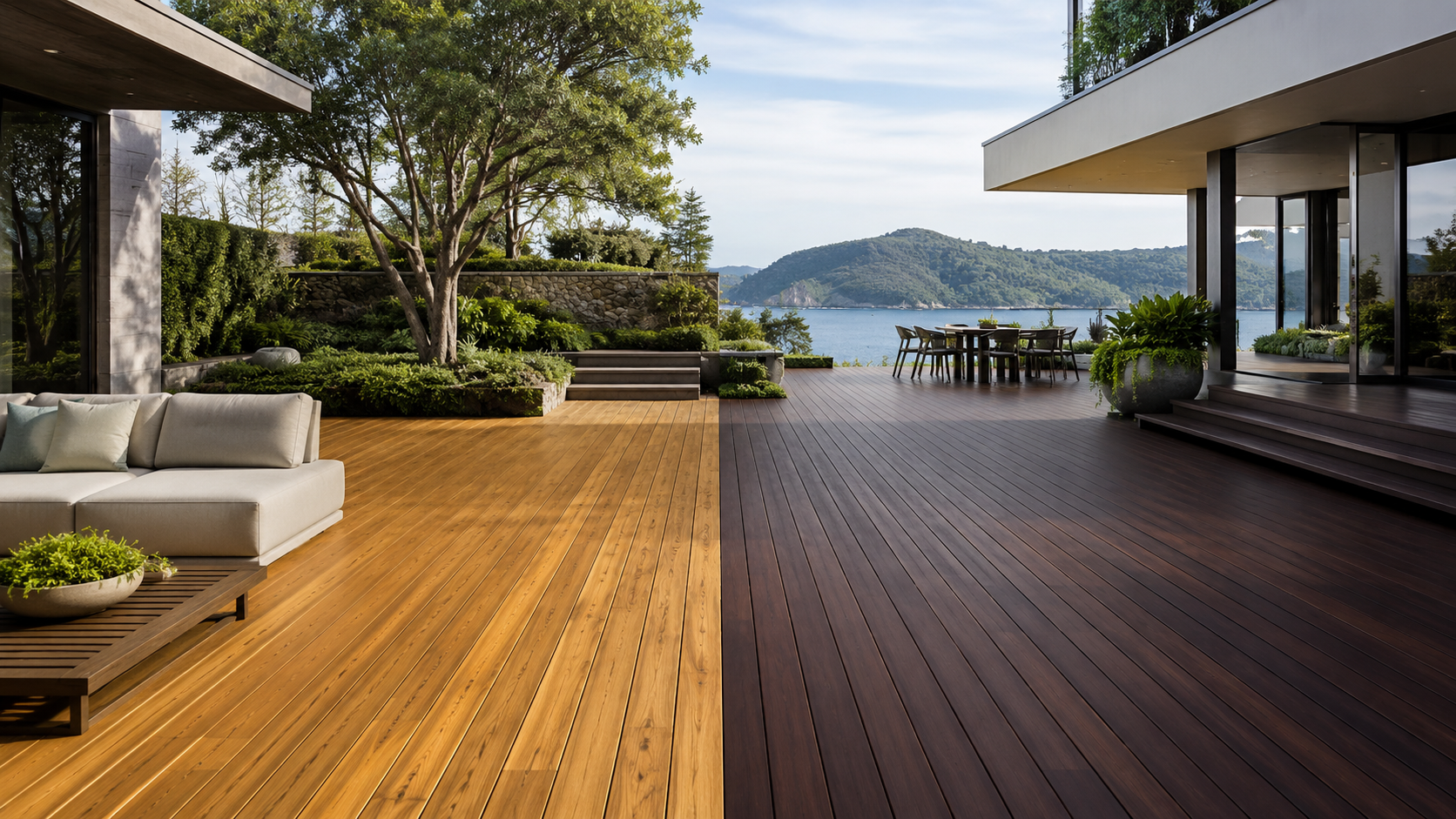
Choosing between black locust vs Ipe decking is not simply a question of which wood is harder.
Both are premium hardwoods with excellent outdoor credentials. Both can create a natural, long-lasting deck with more character than composite materials. Both also require careful sourcing, proper installation, and realistic maintenance expectations.
The difference is in what each species does best.
- Ipe decking is the stronger choice when extreme hardness, high traffic resistance, deep luxury color, and long-term performance are the main priorities.
- Black locust decking is a compelling option when natural durability, warm visual character, responsible sourcing, and overall project value are equally important.
- Neither wood will perform at its best if it is installed over poor drainage, with inadequate ventilation, or without the correct fasteners.
For homeowners, architects, landscape designers, and commercial project teams, the best decision comes from comparing the full picture: durability, appearance, installation, maintenance, availability, and total cost of ownership.
Black Locust vs Ipe Decking: Quick Comparison
| Factor | Black Locust Decking | Ipe Decking |
|---|---|---|
| Overall durability | Naturally durable hardwood | Extremely durable hardwood |
| Hardness | Very hard and strong | Exceptionally hard and dense |
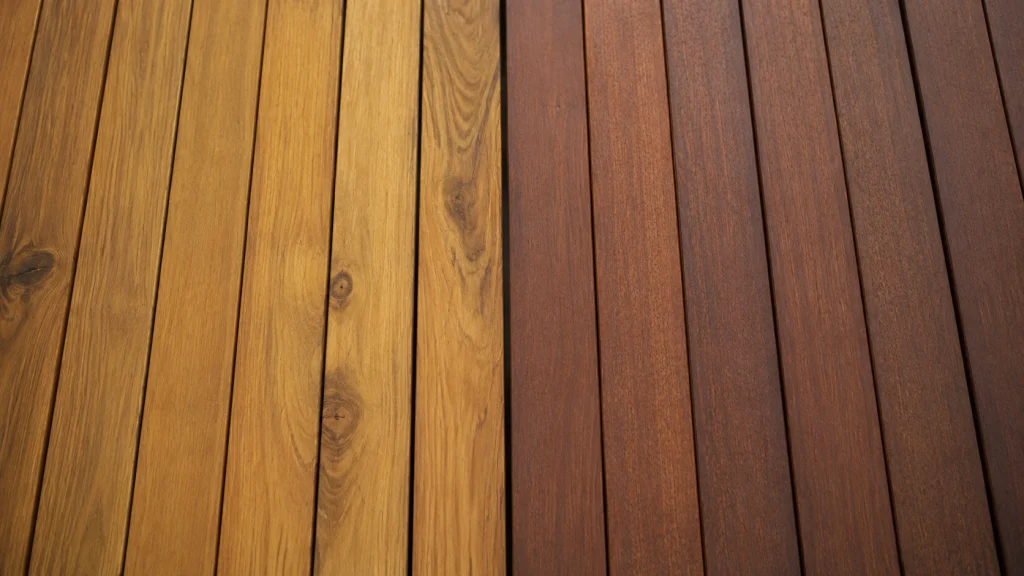
| Appearance | Golden, honey, olive, and warm brown tones | Deep brown, olive-brown, and dark striped tones |
| Grain character | More visible natural variation | Fine, dense, refined appearance |
| Weathering | Turns silver-grey when unfinished | Turns silver-grey when unfinished |
| Installation | Dense hardwood; careful installation required | Very dense; pre-drilling and specialist tools are often needed |
| Best for | Residential decks, landscape projects, sustainability-led specifications | Luxury villas, hospitality decks, high-traffic terraces, demanding exposure |
| Sustainability focus | Verify species origin, grading, drying, and responsible harvesting | Verify legal origin, documentation, and responsible supply chain |
| Cost factors | Depends heavily on availability, grade, and transport | Usually carries higher material and installation costs |
The Quick Answer: Is Black Locust or Ipe Better for Decking?
There is no universal winner.
Choose Ipe decking when your deck must handle heavy use, frequent entertaining, movable furniture, commercial foot traffic, or demanding exposure. Ipe is one of the most respected hardwood decking materials because of its density, dent resistance, and premium appearance.
Choose black locust decking when you want a naturally durable hardwood with a lighter, warmer appearance and a strong sustainability story. It can be an excellent choice for residential gardens, terraces, landscape features, and projects that value natural character as much as technical performance.
The most important point is this:
The better decking material is the one that suits your climate, project use, supplier quality, installation design, and maintenance expectations.
A premium hardwood deck should never be selected based on species name alone. Confirm the board grade, moisture condition, profile, dimensions, source, fastener compatibility, and installation recommendations before ordering.
What Is Black Locust Decking?
Black locust is a dense hardwood known for its natural resistance to decay and outdoor exposure. It is often considered one of the strongest temperate-climate hardwoods available for exterior projects.
Black locust decking is usually selected for its combination of:
- Natural durability
- Warm, organic appearance
- Strong grain character
- Resistance to outdoor wear
- Potentially more local or regional supply, depending on the market
- Ability to perform without pressure treatment
Fresh black locust boards can range from pale yellow and honey tones to olive-brown and medium brown. Over time, untreated boards naturally weather to a silver-grey patina.
Why homeowners choose black locust decking
Black locust is often attractive to buyers who want real hardwood without choosing a tropical species by default.
Its main advantages include:
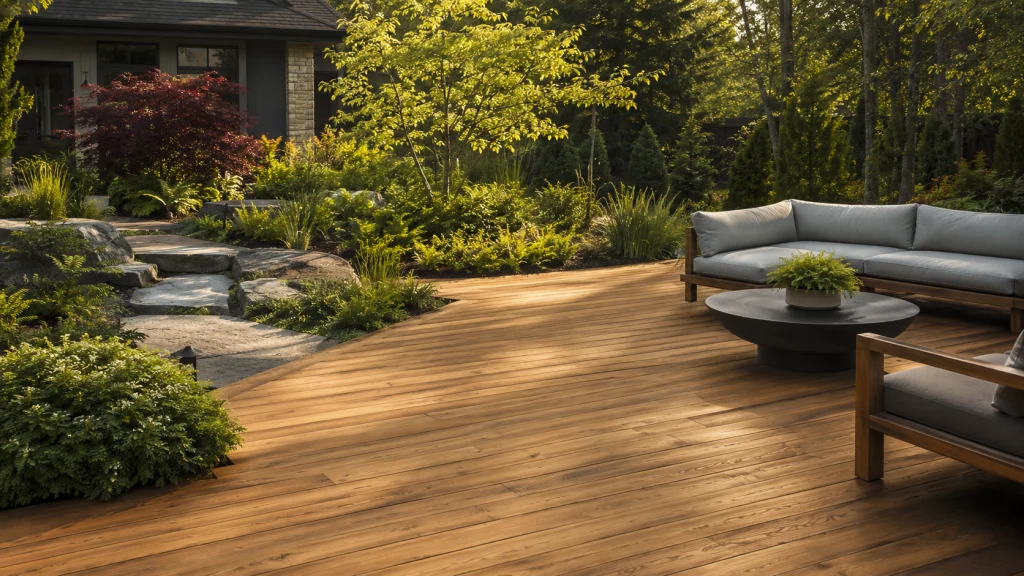
- A warm, natural look that works especially well in gardens and landscape-led projects
- Strong resistance to decay when properly selected and installed
- A visually distinctive surface with more character than highly uniform decking options
- A sustainability-focused alternative when the source is transparent and responsibly managed
- Good suitability for residential terraces, garden decks, pergola platforms, and outdoor seating areas
What to watch for with black locust
Black locust is not a “buy any board and install it anywhere” material.
Its real-world performance depends heavily on:
- Proper drying
- Consistent milling
- Board grading
- Moisture content at installation
- Correct spacing
- Ventilation below the deck
- The quality of the subframe
- The installer’s experience with dense hardwoods
Because quality can vary between suppliers and batches, always inspect samples and request details about the material before purchasing.
What Is Ipe Decking?
Ipe is a dense tropical hardwood frequently chosen for luxury outdoor spaces, high-use terraces, hospitality projects, pool decks, and commercial applications.
It is valued for its:
- Exceptional hardness
- High resistance to dents and surface wear
- Deep, premium color range
- Natural resistance to rot and insects
- Strong long-term performance in demanding outdoor environments
- Refined appearance
Ipe commonly starts in medium brown, deep brown, olive-brown, or dark reddish-brown tones. Some boards show darker striping and natural variation, giving the deck a rich, architectural finish.
For a closer look at available Ipe options, visit Ipe decking in the UAE.
Why homeowners and designers choose Ipe decking
Ipe is often selected when performance is the priority.
It is especially suitable for:
- Luxury villa terraces
- Commercial outdoor dining areas
- Hotel decks
- Boardwalk-style projects
- Pool surrounds
- Roof terraces
- High-traffic family decks
- Outdoor spaces with frequent furniture movement
Its density gives it a substantial feel underfoot and strong resistance to everyday wear.
What to watch for with Ipe
Ipe is exceptionally hard, but that strength comes with installation considerations.
Expect:
- More demanding cutting and drilling
- Greater wear on blades and drill bits
- Longer installation time
- Careful pre-drilling for screws and fasteners
- A need for professional installation on larger or premium projects
- Higher total installed cost compared with easier-to-machine hardwoods
Ipe can offer excellent long-term value, but it is rarely the cheapest option at the beginning of a project.
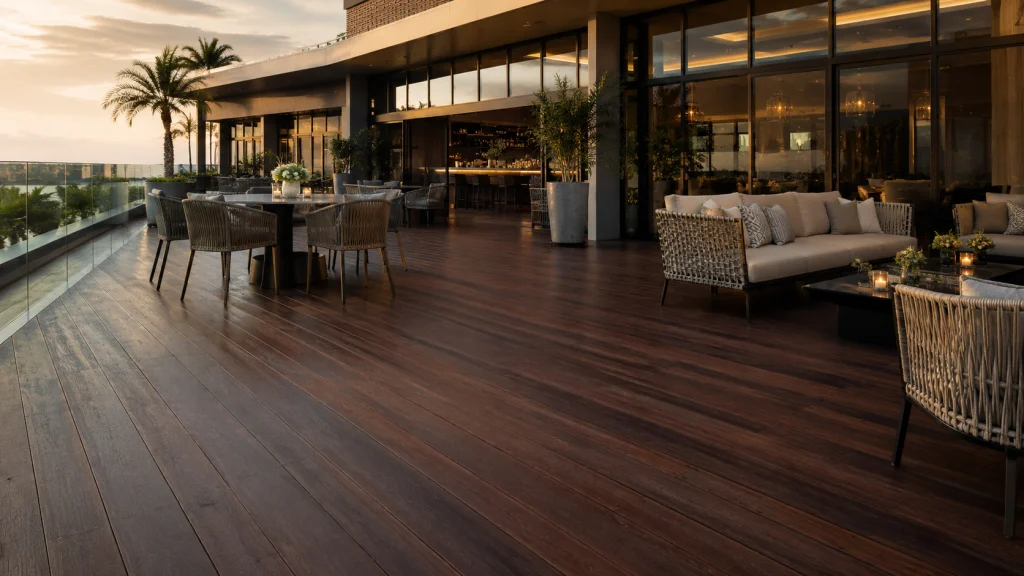
Black Locust vs Ipe Durability
Both black locust and Ipe are naturally durable hardwoods. That does not mean either material is maintenance-free or immune to poor installation.
The durability of a deck depends on more than the species.
Key performance factors include:
- Drainage below the deck
- Airflow around and beneath boards
- Ground clearance
- Sun exposure
- Humidity
- Coastal salt exposure
- Water around pools or planters
- Board spacing
- Fastener quality
- Cleaning habits
- Maintenance approach
Rot and insect resistance
Both species are valued for their natural resistance to decay and insect damage.
However, even the most durable hardwood can underperform if it remains constantly wet, is installed too close to soil, or has no ventilation below the boards.
A well-designed deck should avoid trapped moisture. Water should drain freely, debris should not build up between boards, and the subframe should allow air to circulate.
Scratch and dent resistance
This is where Ipe usually has the stronger advantage.
Ipe is a highly dense hardwood that can better handle:
- Heavy foot traffic
- Outdoor furniture
- Pets
- Restaurant seating
- High-use hospitality spaces
- Frequent entertaining
- Commercial applications
Black locust is still a strong hardwood and can easily suit many residential projects. However, Ipe is usually the better choice when maximum surface resistance is non-negotiable.
Stability in changing weather
No natural wood is completely movement-free.
Wood responds to moisture and temperature changes. The goal is not to find a species that never moves; it is to select quality material and install it correctly.
For both black locust and Ipe decking, confirm:
- Recommended board spacing
- Required ventilation
- Fastener system compatibility
- End-sealing requirements
- Moisture content at delivery
- Suitable joist spacing
- Storage instructions before installation
Black Locust vs Ipe Hardness
Hardness matters because it affects:
- Dent resistance
- Scratch resistance
- Cutting difficulty
- Drill-bit wear
- Fastener requirements
- Performance under furniture and heavy use
Ipe is generally much harder than black locust. That makes it an excellent choice for projects that will see heavy wear.
However, the hardest wood is not always the best material for every project.
Choose Ipe when hardness is critical
Ipe is usually the better choice for:
- High-traffic outdoor areas
- Commercial terraces
- Hotels and restaurants
- Busy pool decks
- Public-facing spaces
- Large family entertaining areas
- Projects where furniture is moved regularly
Choose black locust when balanced performance matters more
Black locust can be a strong option when you want:
- Premium hardwood durability
- A more natural, varied appearance
- A sustainability-led material story
- A residential garden deck
- A relaxed outdoor living space
- Good performance without selecting the densest available wood
For many homeowners, “durable enough for the project” is more important than choosing the highest possible hardness rating.
Appearance and Weathering: Black Locust vs Ipe Decking
The visual difference between black locust and Ipe is one of the most important parts of the decision.
Black locust decking appearance
Black locust often has a lighter, warmer starting tone.
Expect shades such as:
- Pale gold
- Honey
- Yellow-brown
- Olive
- Warm medium brown
It generally suits projects that aim for a natural landscape look rather than a dark, formal, luxury finish.
Black locust can work beautifully with:
- Garden planting
- Stone paths
- Natural swimming pools
- Light-colored façades
- Contemporary landscape architecture
- Rustic-modern outdoor spaces
Ipe decking appearance
Ipe has a darker, more formal appearance.
Typical tones include:
- Medium brown
- Deep brown
- Olive-brown
- Reddish-brown
- Dark brown striping
Ipe often works well with:
- Modern villas
- Dark aluminium frames
- Stone cladding
- Luxury landscape design
- High-end pool areas
- Hotel terraces
- Contemporary outdoor furniture
How both woods weather over time
Both black locust and Ipe will naturally weather to grey when exposed to UV light and outdoor conditions.
This is normal.
A silver-grey patina does not mean the decking has failed. It simply means the surface color has changed.
You have two main maintenance choices:
- Allow natural greying
- Lower visual-maintenance commitment
- More weathered, architectural appearance
- Requires cleaning and inspection, but not necessarily oiling
- Maintain the original wood color
- Requires periodic cleaning and a suitable exterior hardwood oil
- Helps retain warmer or deeper tones
- Needs regular maintenance, especially in sunny areas
Do not choose oiling unless you are prepared to maintain the finish consistently. A partially maintained deck can look uneven when sun-exposed boards fade faster than shaded boards.
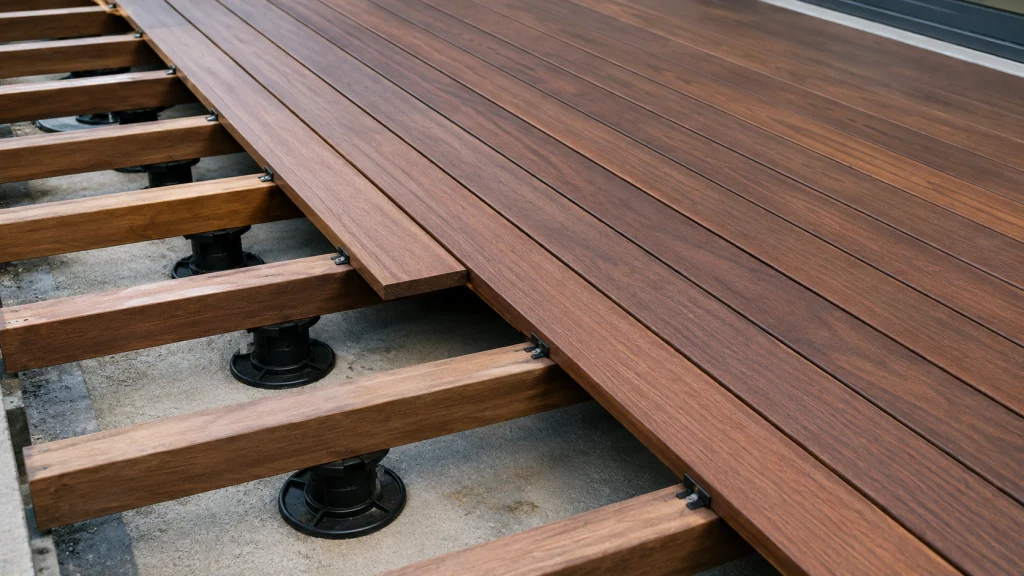
Installation: Which Is Easier to Work With?
Neither black locust nor Ipe is a casual DIY decking material.
Both are dense hardwoods and should be installed with correct tools, corrosion-resistant fasteners, appropriate spacing, and a properly designed subframe.
Installing black locust decking
Black locust is still a hard wood, but it is generally more manageable than Ipe.
Installation may involve:
- Pre-drilling, depending on profile and fastening method
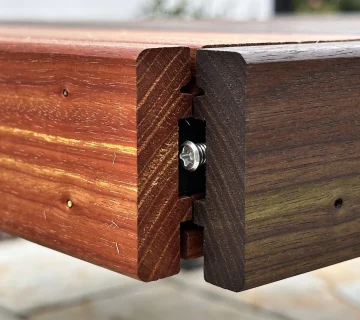
- Using suitable exterior screws or concealed fasteners
- Checking boards for natural variation before layout
- Allowing for appropriate spacing
- Confirming moisture condition
- Protecting end grain when recommended
Installing Ipe decking
Ipe often requires more planning and labor.
Installation commonly involves:
- Pre-drilling
- High-quality drill bits
- Durable saw blades
- Stainless steel fasteners
- Careful board handling due to weight
- Accurate layout planning
- Experienced installers for larger projects
The added labor is one reason Ipe’s installed cost can be higher than its board price initially suggests.
Common installation mistakes to avoid
Avoid these mistakes with either wood:
- Installing boards with poor ventilation underneath
- Using incorrect board spacing
- Ignoring drainage design
- Choosing unsuitable fasteners
- Storing boards directly on wet ground
- Skipping end treatment where required
- Using a weak or unstable subframe
- Installing too close to soil or standing water
- Failing to plan around planters, pools, stairs, and access panels
- Mixing boards without checking color and grain variation first
For additional hardwood selection guidance, see hardwood decking in Dubai.
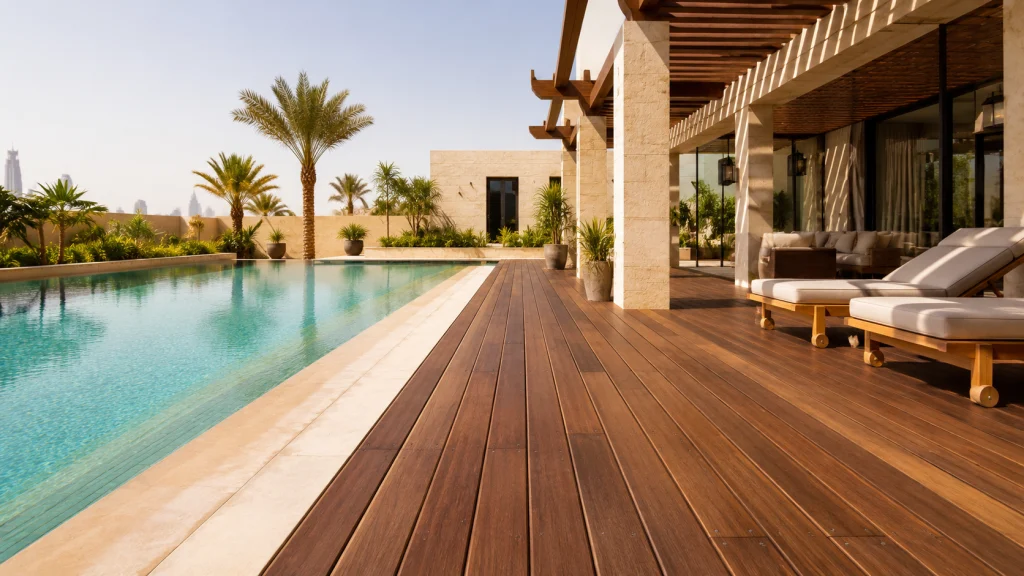
Black Locust vs Ipe Decking in Hot and Coastal Climates
In the UAE and Gulf region, decking must deal with more than rainfall.
Important exposure factors include:
- Intense sun
- High UV levels
- Heat build-up
- Dust and sand
- Humidity
- Coastal salt air
- Pool water
- Chlorine exposure
- Heavy outdoor entertaining
For either black locust or Ipe decking, the design should include:
- A well-ventilated subframe
- Proper drainage
- Corrosion-resistant fasteners
- Adequate board gaps
- Easy access for cleaning
- Shade planning where possible
- Careful detailing around pools and planters
Very dark decking can become hot in direct sunlight. Material color, shade, orientation, and how much bare-foot use the deck will receive should all be discussed before final selection.
Maintenance: Black Locust vs Ipe Decking
Both woods need less maintenance than many softer outdoor timbers, but neither should be ignored.
Basic maintenance checklist
For both black locust and Ipe decking:
- Sweep away dust, sand, leaves, and debris
- Keep board gaps clear
- Wash the surface periodically
- Remove spills quickly
- Inspect areas around planters and pools
- Check for standing water
- Inspect visible fasteners and edge details
- Clean organic buildup before it becomes slippery
- Reapply finish only when maintaining original color is the goal
Does either decking need oiling?
Not necessarily for structural durability.
Oiling is mainly a visual choice.
Use a suitable exterior hardwood oil if you want to maintain the original tone. Allow the timber to weather naturally if you prefer a grey finish and lower finish-maintenance requirements.
Black Locust vs Ipe Cost: Look Beyond the Board Price
Comparing only the price per board can lead to the wrong decision.
A complete decking budget should include:
- Decking boards
- Delivery
- Waste allowance
- Subframe
- Fasteners
- Hidden fastening system, if used
- Cutting and drilling labor
- Installation time
- Edge boards and stairs
- Finishing products
- Future maintenance
- Replacement board availability
Why Ipe can cost more overall
Ipe may cost more because of:
- Premium material pricing
- Heavy board weight
- Higher labor requirements
- More demanding cutting and drilling
- Specialist tools
- Longer installation time
When black locust may offer stronger value
Black locust can offer good project value when:
- It is available from a reliable supplier
- The board quality is consistent
- The project does not need Ipe-level dent resistance
- The design benefits from its warm, natural character
- Sustainability and sourcing are key project priorities
- Installation logistics are simpler than Ipe
Sustainability and Responsible Sourcing
Sustainability should never be reduced to a simple label.
The environmental profile of decking depends on:
- Species
- Country of origin
- Forest management
- Legal harvesting
- Transport distance
- Milling practices
- Drying process
- Supply-chain documentation
- Expected service life
Black locust sustainability considerations
Black locust is often attractive because it can be grown in temperate regions and may be available from shorter supply chains in some markets.
However, buyers should still ask:
- Where was the timber grown?
- How was it harvested?
- Was it properly dried?
- What grade is being supplied?
- Is the supplier able to document origin and processing?
Ipe sustainability considerations
Ipe can be responsibly specified, but documentation matters.
Ask the supplier for:
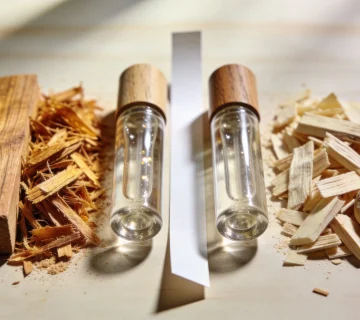
- Exact species identification
- Country of origin
- Legality documentation
- Relevant trade documentation
- Supplier traceability
- Grading information
- Batch consistency
- Product specifications
Do not accept vague environmental claims. Responsible sourcing should be supported by clear information, not marketing language alone.
When Black Locust Is the Better Choice
Choose black locust decking if:
- You prefer golden, warm, natural timber tones
- You value visible grain and organic character
- Sustainability and material origin are major priorities
- Your project is residential or landscape-led
- You want durable hardwood without automatically selecting a tropical species
- Your supplier can provide properly dried, well-graded boards
- You are comfortable with natural color variation
When Ipe Is the Better Choice
Choose Ipe decking if:
- You need exceptional hardness and dent resistance
- Your deck will receive heavy foot traffic
- You prefer deep, dark, luxury hardwood tones
- You are building a hotel, restaurant, villa terrace, or commercial deck
- You expect frequent furniture movement
- You are willing to invest in professional installation
- You can verify responsible sourcing and documentation
For another premium hardwood comparison, read Batu vs Ipe decking.
Consider Other Decking Alternatives
Black locust and Ipe are not the only options for outdoor projects.
Depending on your budget, design, maintenance preference, and climate exposure, you may also consider:
- Cumaru decking for a dense tropical hardwood alternative
- Iroko decking for a warm-toned hardwood option
- Teak decking for classic luxury timber character
- WPC decking in Dubai when low-maintenance composite performance is the priority
- Thermowood decking when you want thermally modified natural timber with a distinctive warm appearance
Final Verdict: Black Locust vs Ipe Decking
Ipe is the stronger choice when maximum hardness, long-term wear resistance, and a dark luxury appearance are essential.
Black locust is the stronger choice when you want naturally durable hardwood with warmer tones, natural variation, and a sustainability-led decision framework.
The right choice is not just about which wood is harder.
It is about:
- How the deck will be used
- How much direct sun it receives
- Whether it is near a pool or coast
- How much maintenance you want to do
- What appearance you prefer now and after weathering
- How reliable the supplier is
- Whether the deck is correctly detailed for drainage and ventilation
Before placing an order, compare real samples in daylight, review the full installed cost, confirm the specification, and choose an installer who understands dense hardwood decking.
Frequently Asked Questions
Is black locust as durable as Ipe?
Both are naturally durable hardwoods suitable for outdoor use. Ipe is generally harder and better suited to heavy traffic and demanding commercial applications. Black locust can still perform very well for residential and landscape projects when properly sourced and installed.
Is black locust cheaper than Ipe?
It can be, but pricing depends on location, availability, board grade, transport, dimensions, and installation requirements. Compare the full installed cost rather than the board price alone.
Does Ipe decking turn grey?
Yes. Like most natural exterior hardwoods, Ipe can weather to a silver-grey patina when left unfinished outdoors.
Does black locust decking turn grey?
Yes. Untreated black locust also weathers naturally to grey over time.
Which is easier to install: black locust or Ipe?
Black locust is generally easier to work with than Ipe, but both are dense hardwoods that require careful installation. Ipe usually requires more pre-drilling and can be more demanding on tools.
Which decking is better for pool areas?
Either can work when the deck has good drainage, ventilation, suitable fasteners, and regular cleaning. Consider surface temperature, bare-foot use, water exposure, and maintenance expectations before deciding.
Do black locust and Ipe require annual oiling?
No. Oiling is mainly used to retain the original wood color. Both materials can be left unfinished to weather naturally, provided the deck is cleaned and maintained appropriately.



No comment